Upcoming beverage trends in France
Upcoming beverage trends in France
At Studio Boam, although we don’t have a crystal ball, our extensive experience in the world of beverages, wines, and spirits, along with our enriching discussions with industry players, allows us to share insights into upcoming emerging trends.
NON-ALCOHOLIC BEVERAGES WILL HAVE A BRIGHT FUTURE AHEAD
In a spirits market weakened by declining consumption, the arrival of numerous new players, changing consumer habits, and the younger generation’s waning interest, there are still some positive developments hinting at promising prospects.
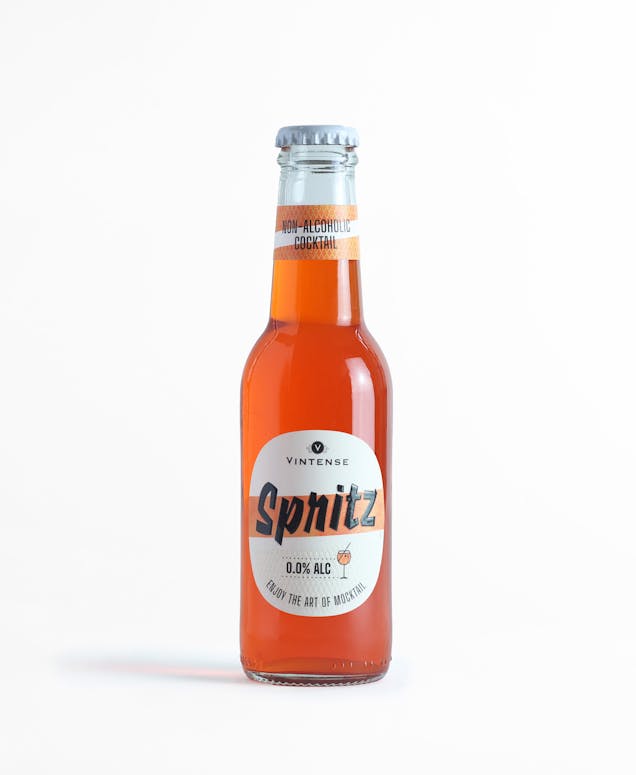
The first, unsurprisingly, is the strong growth of non-alcoholic beverages. Initially driven by non-alcoholic beers, this trend has expanded to include cocktails turned mocktails, wines, spirits, and 0.0% cellars. Whether through plant-based drinks or de-alcoholization processes, the rise of alcohol-free options—championed by a new audience—relies on solid foundations to support its growth.
More than just a passing trend, this represents a genuine paradigm shift in consumption habits, observed across both Europe and North America. Innovation is a key driver in this sector. Rapidly evolving, Nolow brands now offer high-quality beverages that meet the expectations of discerning consumers eager to understand the product. At Studio Boam, we strongly believe in this growth and work closely with non-alcoholic brands to develop compelling storytelling and distinctive branding.
STORYTELLING POWER
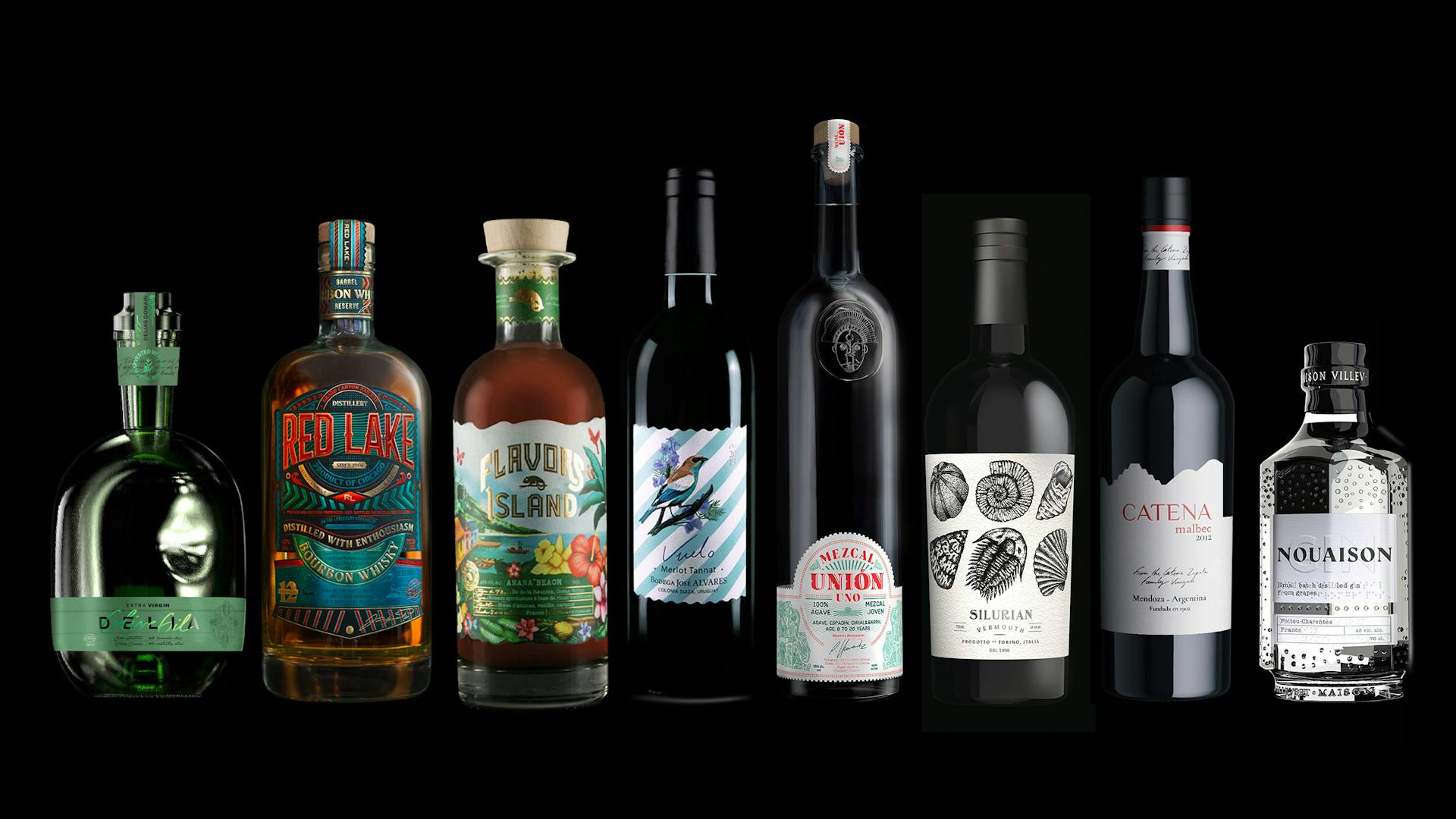
Speaking of storytelling, it is increasingly confirmed as a crucial element in the purchasing process, with consumers becoming more sensitive to it and eager to share a story or values aligned with the brands they choose. Approximately 70% of purchasing decisions are made upon discovering a new custom-designed bottle or extraordinary packaging on the shelves.
Storytelling is the pivotal and essential step in your project, your brand, and its visual identity, ensuring future success in the marketplace. Consumers are looking for more than just a product—they want to be transported into a story, an experience, an emotion. By understanding how color, shape, and typography influence a product’s perception, Studio Boam creates designs, custom-tailored bottles, and memorable labels that enable your brand to stand out.
INNOVATION AS A DIFFERENTIATION STRATEGY
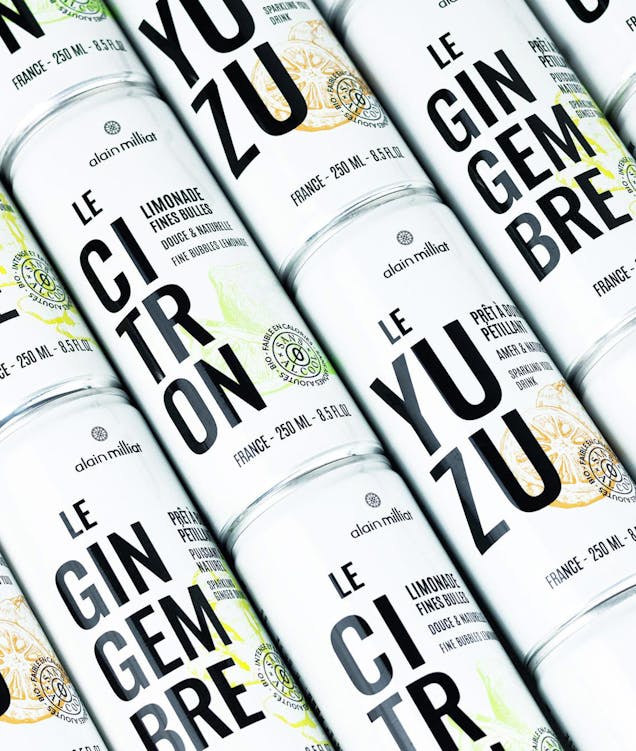
Continuous innovation in new beverage categories will also be a major theme in the coming year. Advancements in this field are rapidly expanding: examples such as “ready-to-drink” products, Aubert and Matthieu's "Blouge," Gérard Bertrand's cloudy wines, or Gallia brewery's "Vière" already showcase this evolution.
We anticipate that producers will continue to innovate with alcoholic tea-based drinks, hard seltzers, increasingly sophisticated de-alcoholization techniques, and novel flavors, like those developed by the excellent Mashi.
TEQUILA WILL BE ON THE RISE
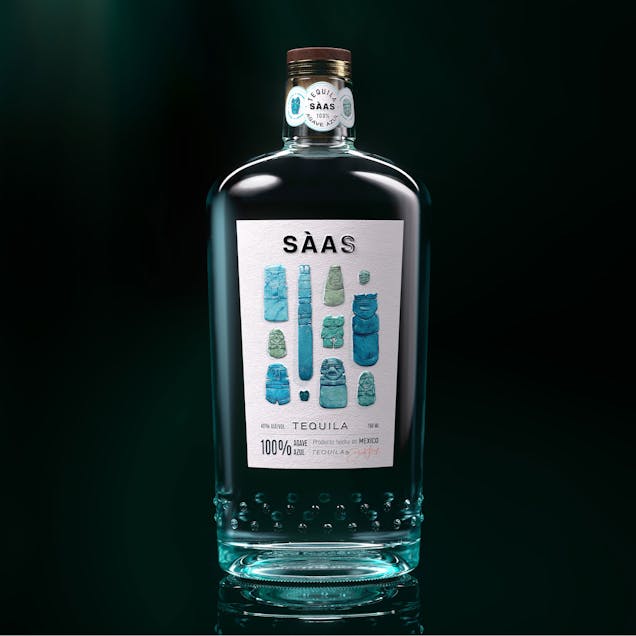
Extremely popular in the United States, where it is set to surpass vodka in consumption volume, tequila is attracting attention for its authentic, exotic, and innovative qualities. We are already seeing the early signs of similar success in Europe, where the agave spirits market (tequila and mezcal) is growing at an estimated annual rate of +17% (source: GlobalData). It is no longer uncommon to find cocktail menus dedicated to tequila brands in bars in Paris, Marseille, or Bordeaux—a concept unimaginable just two years ago. This trend is notably driven by the success of the Paloma cocktail, made with tequila and lemonade or grapefruit tonics, including the Hysope brand, among others. More and more brands are launching grapefruit liqueurs or tonics to meet this growing demand.
THE PARADOX OF SUSTAINABILITY

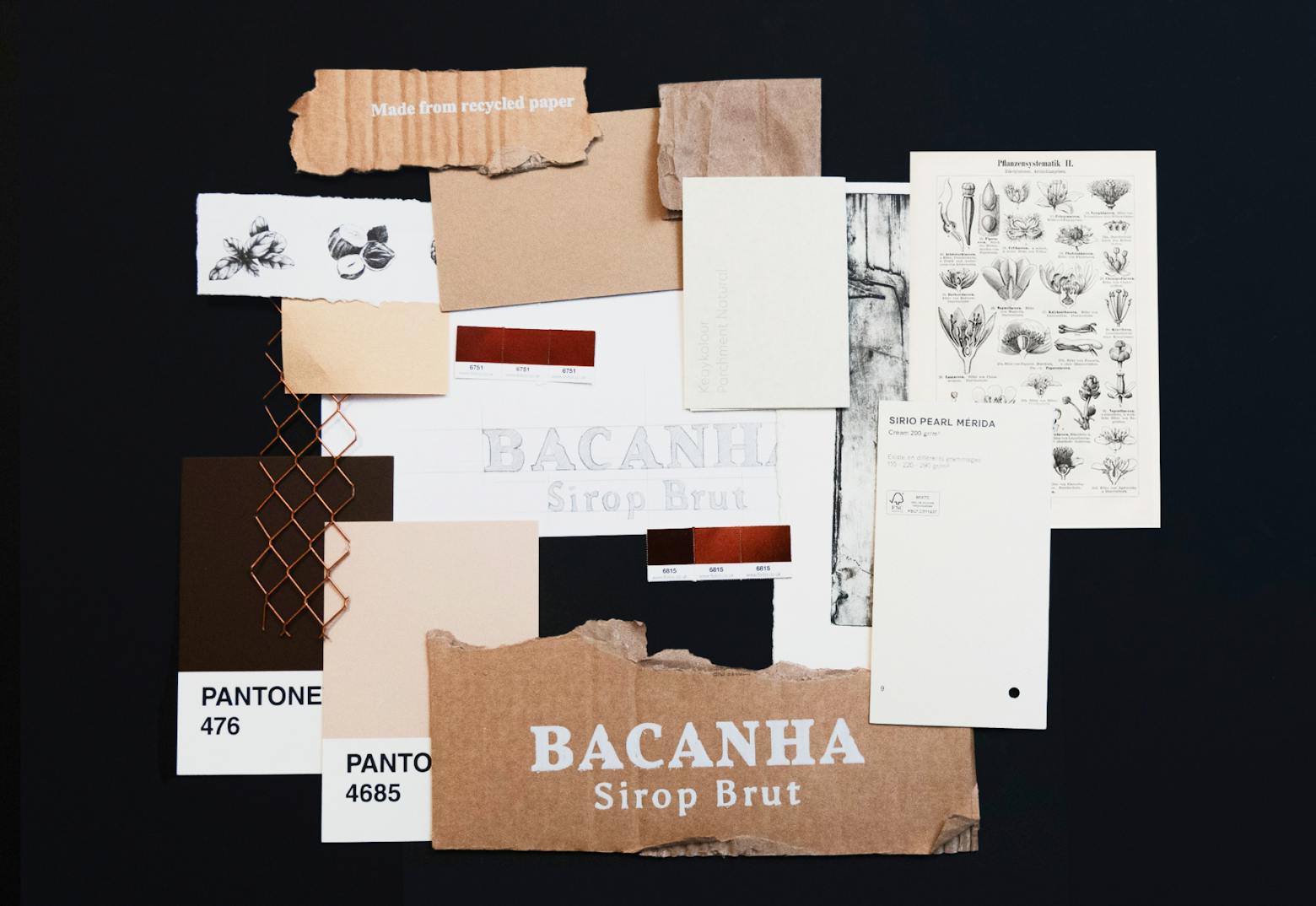
While interest in sustainability is unquestionable, consumers still express paradoxes on this topic. Although they value sustainable products and eco-design (for example, the lightweight recycled paper packaging used by Armagnac Maison Darroze or Calvados Avallen), the production of alcoholic (or non-alcoholic) beverages remains highly water-intensive. For instance, it takes between 6 and 10 liters of water to produce a bottle of whisky. By 2025, the industry will need to continue striving to resolve this paradox, both in production and packaging, in order to move toward an ecological balance.