
Towards responsible packaging
Towards responsible packaging: the rise of bio-based materials in the beverage world
The ecological transition is no longer an option: it has become a necessity. In the wine, spirits, and non-alcoholic beverage sector, packaging is now at the heart of environmental considerations. At Studio Boam, we factor in the impact of materials used as early as the design stage, in order to offer solutions that are aesthetic, intelligent, and committed. Among these, bio-based packaging is taking on an increasingly important role.
Reconciling design and conscience

Packaging design is no longer just about being attractive: it must also align with the values of the brand it represents. For producers engaged in sustainable viticulture or environmentally respectful artisanal distillation, it makes sense for the packaging to follow the same philosophy.
This is where bio-based materials come into play. These are derived from renewable raw materials, often biodegradable, compostable, or recyclable. FSC-certified cardboard, molded pulp, bamboo, hemp, linen, plant-based leather, and even mycelium—the root network of fungi—are all alternatives to traditional plastic or composite packaging.
FSC cardboard: a responsible foundation
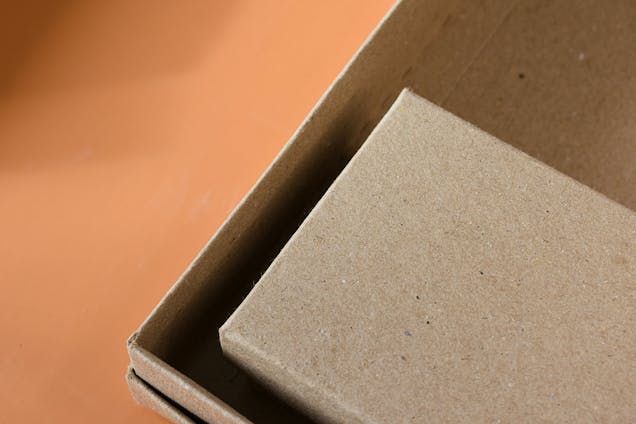
FSC-certified cardboard (Forest Stewardship Council) guarantees that the material comes from sustainably managed forests. Used for cases, boxes, or inserts, it combines robustness, elegant finishes, and controlled impact. At Studio Boam, we favor local and eco-responsible suppliers, opting for recycled, untreated papers or those with visible natural fibers.
Mycelium: organic innovation

An emerging and fascinating material, mycelium literally grows around a mold. Made up of living fibers, it develops in just a few days from agricultural waste. Lightweight, strong, and compostable, it offers a radically eco-friendly alternative to foam inserts or thermoformed plastics. Its raw, organic aesthetic inspires a new generation of bottle packaging that breaks the mold.
Bamboo, linen, molded pulp: nobility and minimalism

Bamboo, flexible, strong, and fast-growing, is used to make rigid boxes, caps, or decorative elements. Linen, grown in Europe, provides elegant natural fibers, while molded pulp (often made from recycled paper) efficiently replaces plastic in the interiors of cases.
• Bagasse: Reinvented Sugarcane Fiber
Made from the fibrous residue of sugarcane after juice extraction, bagasse is a natural and compostable material, often used for food packaging. In the beverage world, it can replace paper or plastic in lightweight inserts or boxes. Its soft feel and matte finish make it an elegant choice for brands that care about the origin of their materials.
• Grape Pomace: A Circular Material Full of Meaning
What if waste became a resource? Grape pomace—the solid residue from winemaking—is now being transformed into bioplastics or alternative papers. Used in the wine industry to create circular packaging, it closes the loop: the product and its packaging come from the same land. This approach has strong symbolic resonance, which we love to integrate into projects with deep local roots.
• Apple or Grape-Based Plant Leather
Another avenue explored: plant leathers made from food waste. Apple leather, created from juice industry leftovers, or grape leather (such as the renowned Vegea®), offer luxurious textures resembling animal leather for wrapping boxes or accessories. An innovative and premium solution for brands that want to combine luxury and sustainability.
• Seaweed and Marine Bioplastics
Less well-known but with immense potential, seaweed-based materials are rapidly developing. Some startups are creating biodegradable films or expanded foams from brown or green seaweed, ideal for plastic-free packaging. Their innovative look and their role in ocean depollution reinforce their ecological value.
A tailor-made and coherent approach

At Studio Boam, every project is a meeting between a product, a vision, and a material. We select materials based on their impact, availability, and also their ability to express a brand's positioning. Because bio-based packaging is not just an ecological choice: it's a strategic decision, full of meaning and image.
Our network of partners and innovative suppliers allows us to offer creative, responsible, and highly desirable solutions, tailored to the unique world of each bottle.