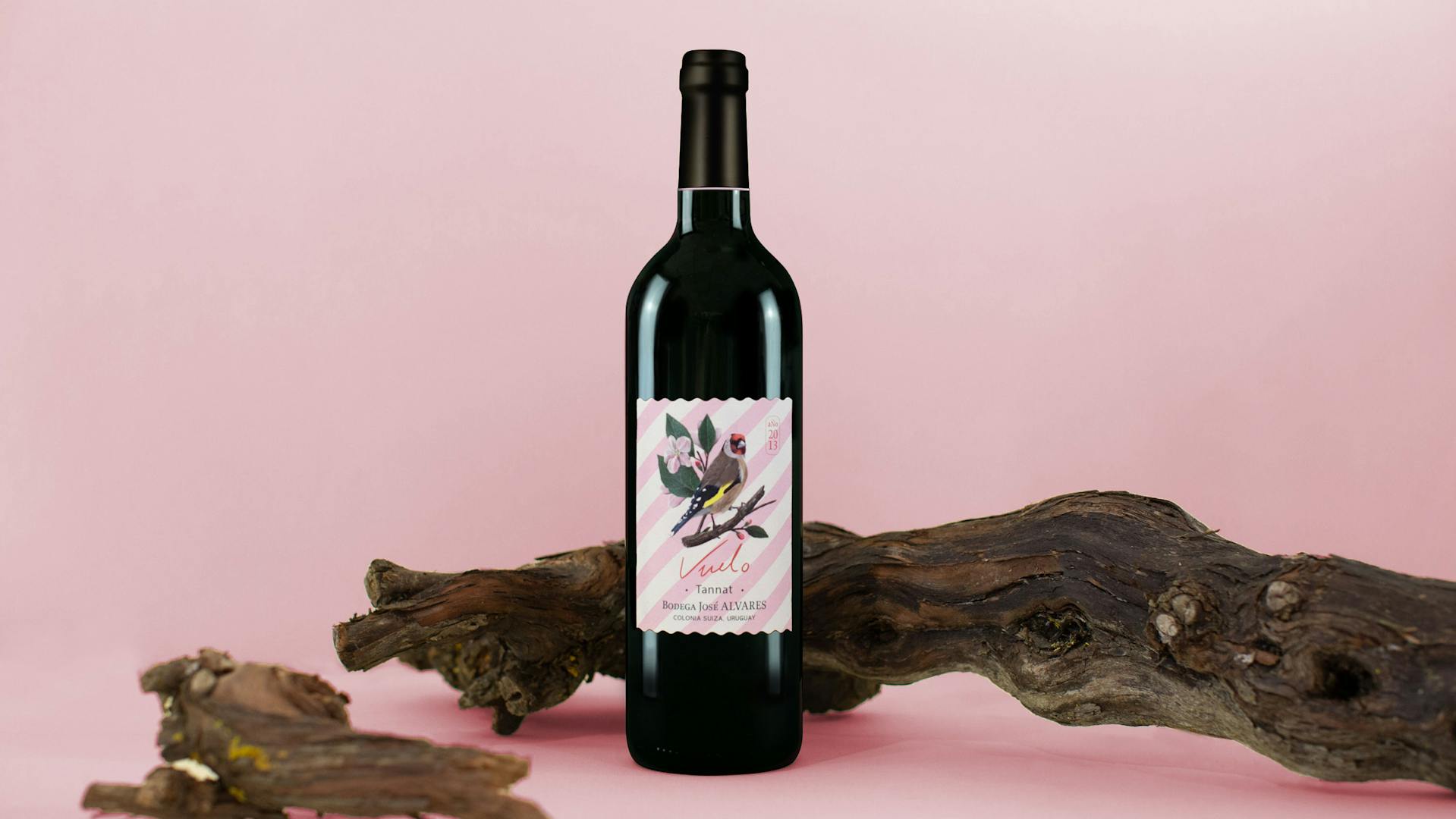
The Importance of Design for Your Wine Label
The wine label
A simple small adhesive paper rectangle barely 100 cm². The label on your wine bottle may seem entirely unremarkable, and yet… It serves as the first point of contact between the consumer and the winemaker.
The influence of packaging on consumer choices
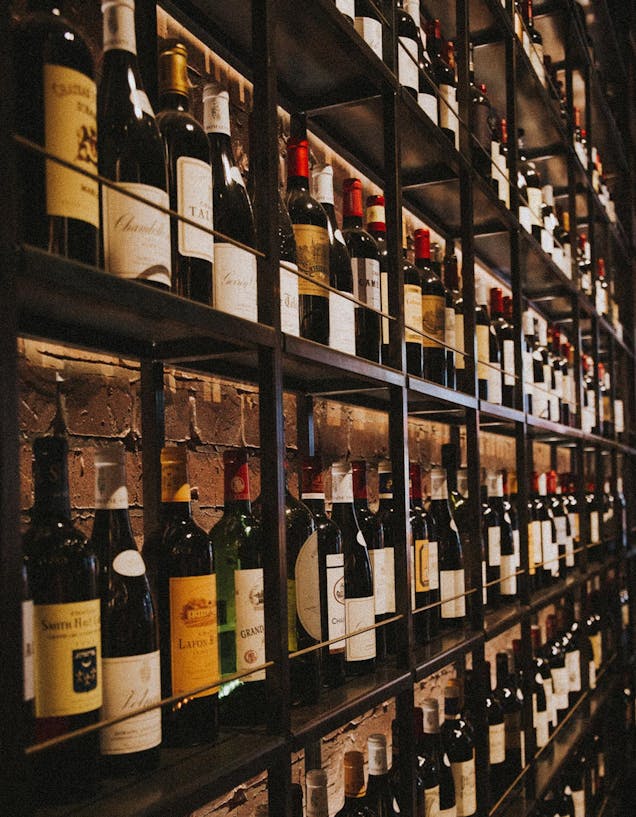
Customers often face a dilemma when standing before a shelf filled with hundreds of wine bottles.
How can one choose a wine without tasting it? The label becomes the consumer's only point of attraction, bringing the marketing dimension into play.
The wine market is increasingly competitive. Unless you're a true connoisseur, it’s hard to navigate. So how do you convince potential consumers when they can’t taste your wine? How do you make your bottle stand out among hundreds, even thousands of options?
The answer is, without a doubt: the label. Its design and graphics unconsciously influence the purchasing decision. The visual impact it creates guides consumers in making their choice.
The play of fonts and colors to enhance your positioning:
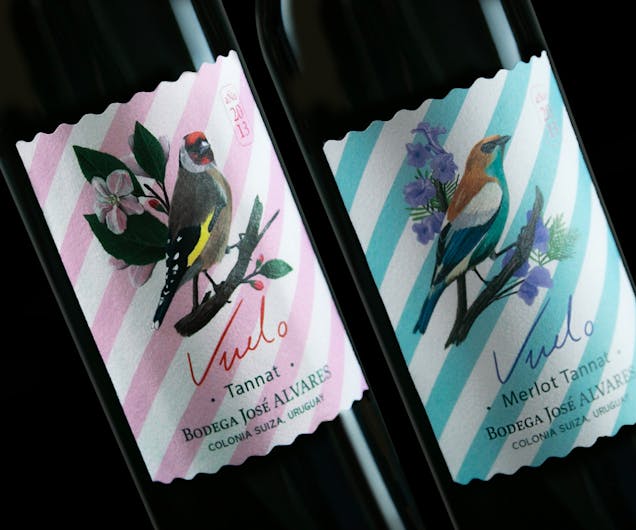
Next, play with :
- Colors: a white label or one accented with dark tones conveys a certain prestige, while brighter colors suggest lightness.
- Typography: a handwritten or script-style font communicates a sense of authenticity, while a modern font such as sans-serif or minimalist styles express more contemporary vibes.
Consider a glossy or matte finish. Why not add gold detailing or an embossed effect?
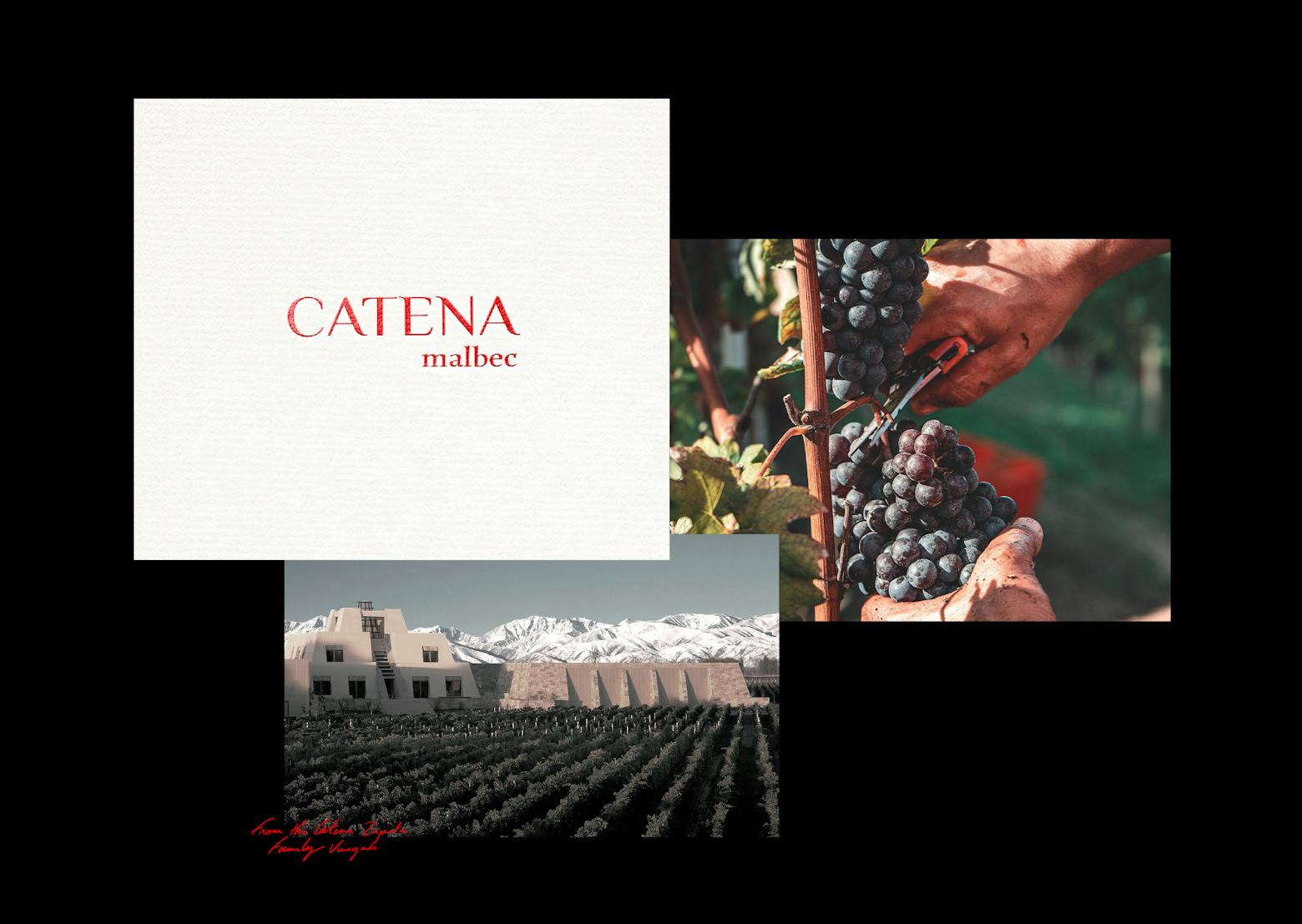
A babel to tell your story
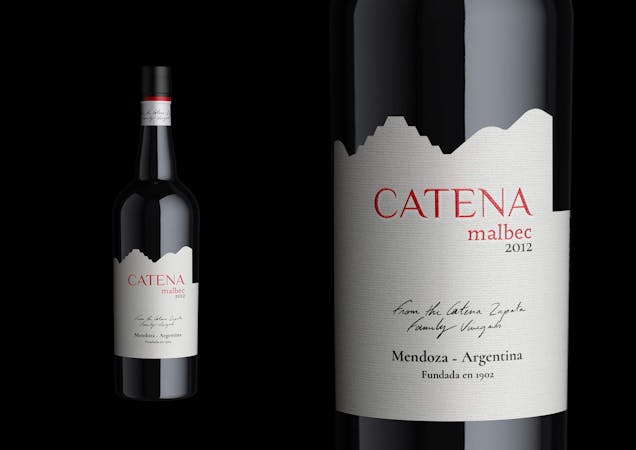
A wine label is, above all, a piece of adhesive paper. However, it must allow you to stand out. It should showcase your positioning, tell the story of your grape variety, convey your values, and reflect your expertise. This goes far beyond choosing colors and typography.
The label will symbolize the personality of your wine. It’s up to you to highlight what sets your product apart.
- Want to reassure the consumer? Opt for a pencil illustration of your château or region.
- Looking to showcase the modern spirit of your vineyard? Experiment with asymmetrical and graphic shapes.
- Are your wines sophisticated? Embrace minimalism.
What to include on your wine label?
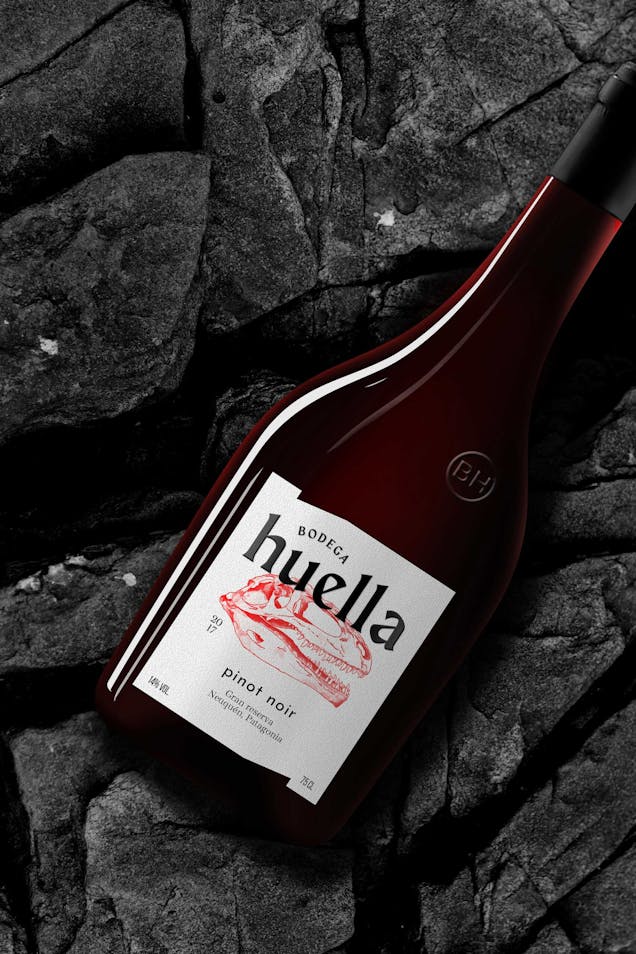
The wine label holds paramount importance. Not only does it reflect the very essence of your wine, but it also gathers all necessary information to identify the grape variety, region, and vintage.
Together with the back label, it includes essential or even legally required details. Therefore, it must indicate the product category, its origin and terroir (such as “Vins de France,” “Appellation d’Origine Contrôlée” or “Protected Geographical Indication”), the health warning for pregnant women, the presence of sulfites, the alcohol content by percentage, volume, and the lot number.
In addition to these mandatory yet less descriptive details regarding quality, other information helps to better target a wine. The wine label should also mention a vintage, a grape variety, production method, the name of the estate, château, or vineyard, a medal or award, an organic or biodynamic certification.
On the back of the bottle, a few words can offer tasting notes and pairing suggestions with certain dishes.
In essence, a wine label is the winemaker’s business card, their showcase, a brief summary of everything that enables the consumer to make an informed choice.
To sum up, label design is a vital element in marketing your wine. It’s the first step toward the sensory experience you’re offering, one that can prove unforgettable.