
Why are anglo-saxon design agencies ahead of french agencies?
Why are anglo-saxon design agencies ahead of french agencies?
In the world of brand design, packaging, and visual identity, Anglo-Saxon agencies regularly stand out. At every major international design festival (Pentawards, D&AD, ADC, etc.), their projects distinguish themselves through boldness, creativity, and the ability to create powerful and iconic brands.
So, why are they ahead? And what can we learn on the french side?

At Studio BOAM, we don’t see these differences as a fixed gap but as inspiration to foster a freer, more strategic, and more international design culture.
A branding culture rooted in the DNA
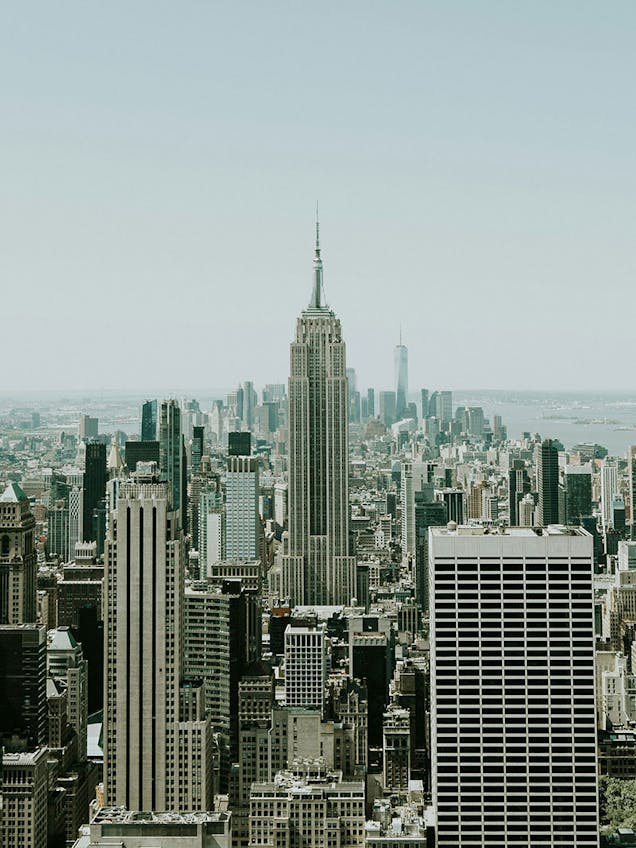
In Anglo-Saxon countries, especially the United States and the United Kingdom, design has long been seen as a strategic tool for creating value. It's inherently tied to marketing, brand storytelling, and commercial performance. This is referred to as "brand thinking," where design is central to strategic planning from the very first stages of a project.
In France, design has long been considered mainly an aesthetic or artistic discipline, relegated to the end of the process. This is starting to change, but this cultural difference partly explains the stronger positioning of Anglo-Saxon agencies on matters of image, differentiation, and impact.
A freer approach to creative boldness
Anglo-Saxon agencies dare. They break the rules. They test, they disrupt, they provoke. This creative freedom is encouraged by clients who value measured risk as a driver of innovation.
In France, the culture of conformity remains strong. Consistency is often favored over dissonance, tradition over disruption. The result: projects that are often too tame, not memorable enough. Yet, it is often the brands that take a stand — visually or symbolically — that leave a lasting impression and build real long-term value.
A multidisciplinary and international approach
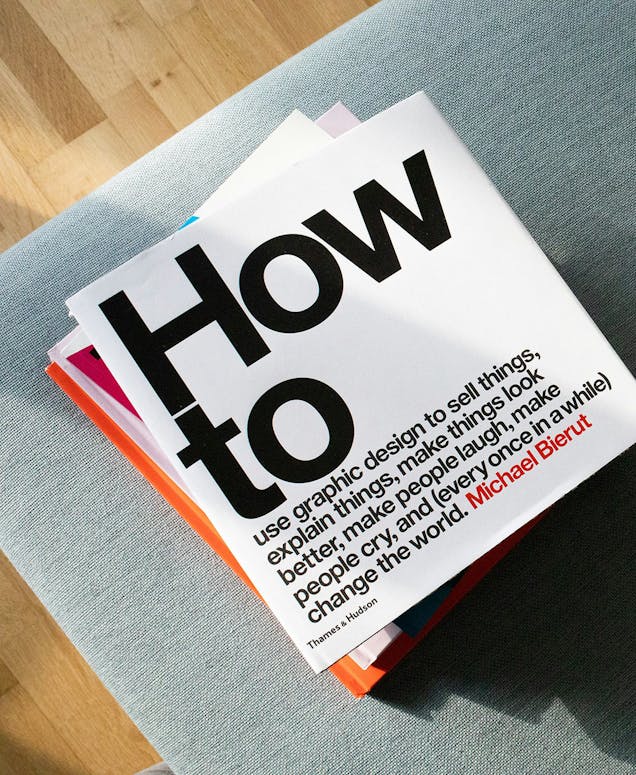
Anglo-Saxon agencies collaborate from the start with a variety of profiles: designers, copywriters, strategists, anthropologists, UX researchers… This interdisciplinary richness results in concepts that are deeper, more nuanced, and more universal.
They also evolve in a naturally international environment, which pushes them to adopt visual languages that transcend cultural boundaries. In France, the approach still tends to be more compartmentalized, with clearer boundaries between design, strategy, and storytelling.

Different budgets and ambitions
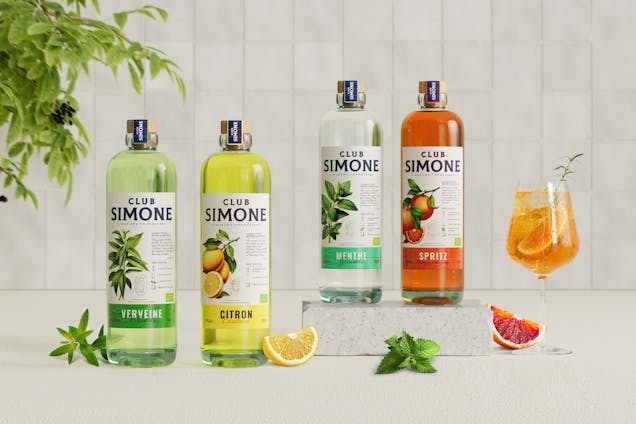
It's important to highlight a pragmatic aspect: branding budgets in Anglo-Saxon countries are often higher, allowing agencies to spend more time on research, experimentation, storytelling, and prototyping.
This leads to projects that are deeper, more coherent, and better valued from a commercial perspective. In France, tight budgets sometimes constrain creativity and time for reflection, favoring execution instead. In conclusion: be inspired without losing oneself. Rather than pitting two visions against one another, we should draw on the best Anglo-Saxon practices to enrich our design approach in France. Dare more, think globally, embed strategy at the heart of creation.
At Studio BOAM, we advocate for design that thinks as much as it moves. A French design, but open, free, ambitious. A design that dares to create icons.