
How does the design of the glass bottle suggest the idea of a great wine ?
Glass bottle
For a long time, the wine or spirit bottle has been considered through its functional character only. When marketing showed the importance of the container, the first intention was to work on the label to propose a more attractive bottle.

Great brands such as Grand-Marnier, Dom Pérignon or Ruinart have understood this perfectly with bottles that are recognizable in the blink of an eye. The beauty they exude is already the promise of a great experience.
Discover why the aesthetics of a glass bottle reinforces the exceptional character of a great wine or spirit.
To each wine, its glass bottle shape.
The design criteria for a glass bottle were chosen for practical reasons :
- The green color of the glass protects from the effects of light
- The 75 cl capacity allows, with a case of 6 bottles, to have just one British gallon
- The hollow bottom of the bottle allows more stability and a better grip.
The shape of the bottle mirrors the terroir of the beverage, between the "Frontignan" shape of a Bordeaux bottle, the thin neck of a Burgundy or the flute shape of an Alsace wine.
These design codes have been adopted all over the world. Californian and Chilean wines have quickly adopted the Frontignan shape, the symbol of great French wines. This is proof that the shape of the bottle has an impact on the consumer.
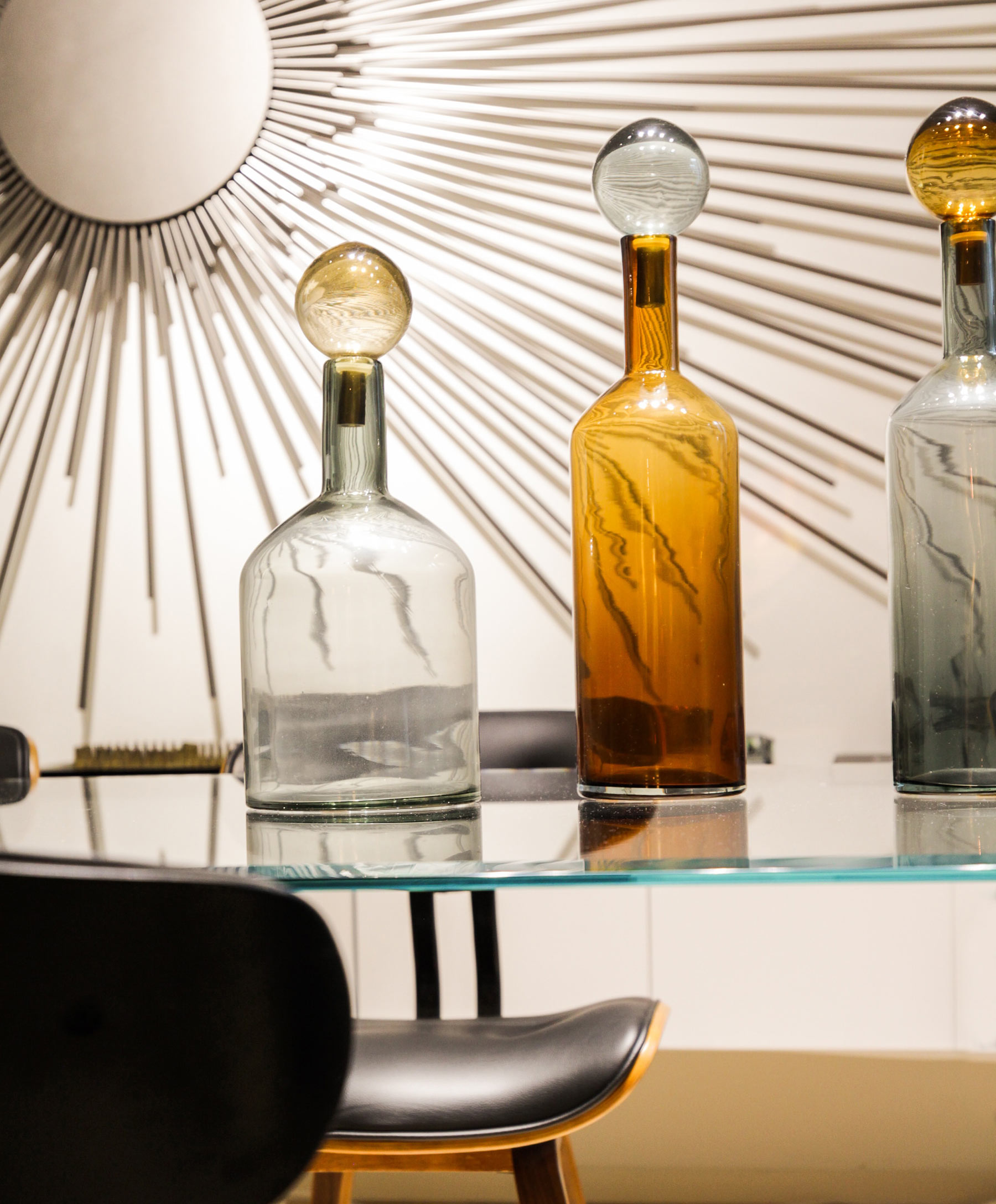
However, the more uniform the bottle becomes, the more the need to stand out from the competition, especially for the most prestigious brands. To create a unique experience from the moment of purchase, it was necessary to make consumers understand that they were looking at an exceptional wine.
This is why in 1924, Baron Philippe de Rothschild adopted a disruptive approach for its labels, by renewing the traditional image of the château with a work of art, from Dali to Miro to Andy Warhol.
A stroke of genius that immediately inspired other brands, gradually leading to the glass bottle becoming a work of art in its own right. In 1983, Vasarely inaugurated the first artistic bottle for Taittinger champagnes. The exceptional product was transformed into a true work of art, a collector's item.
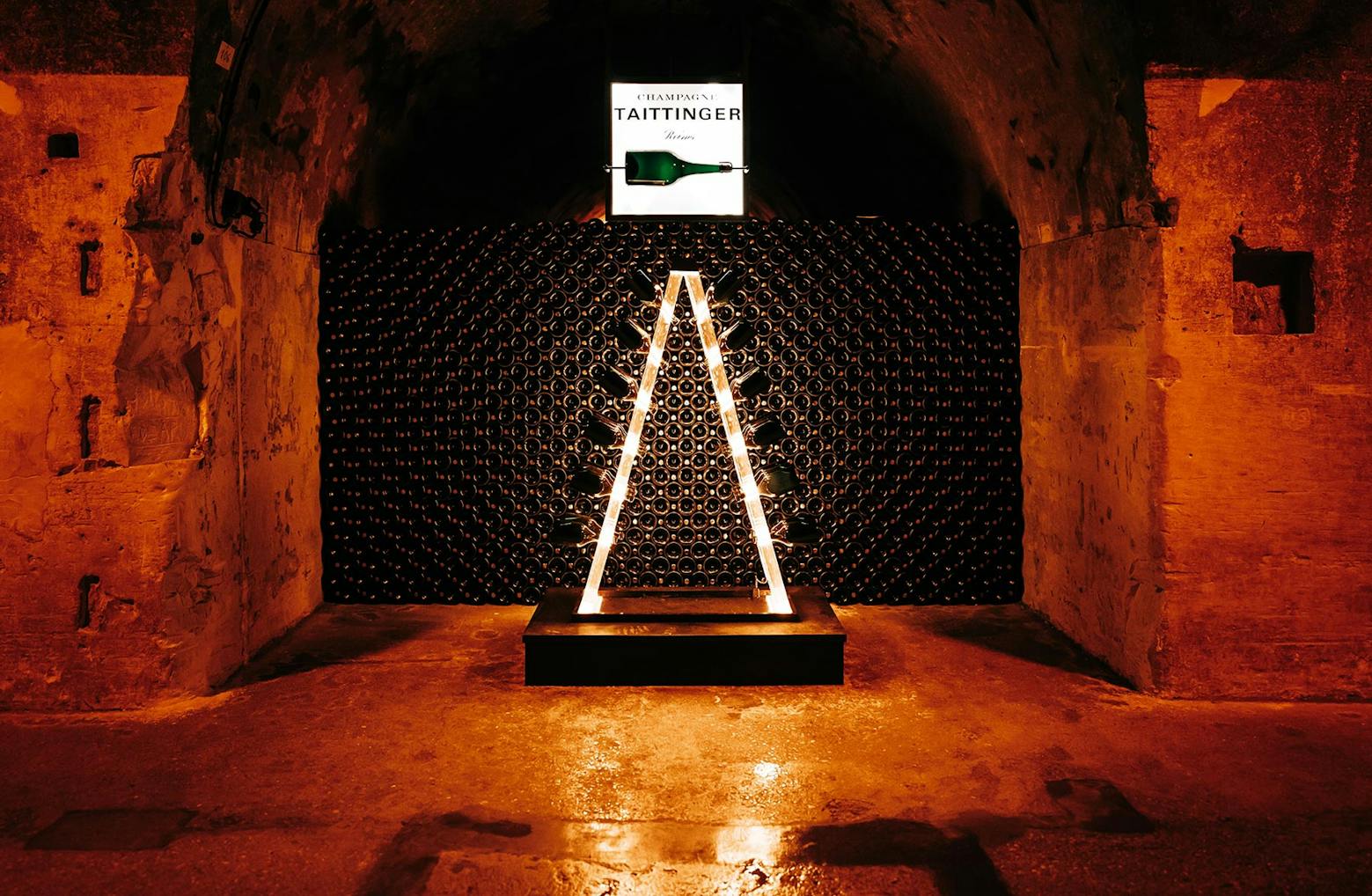
A glass bottle with an exceptional design for exceptional wines
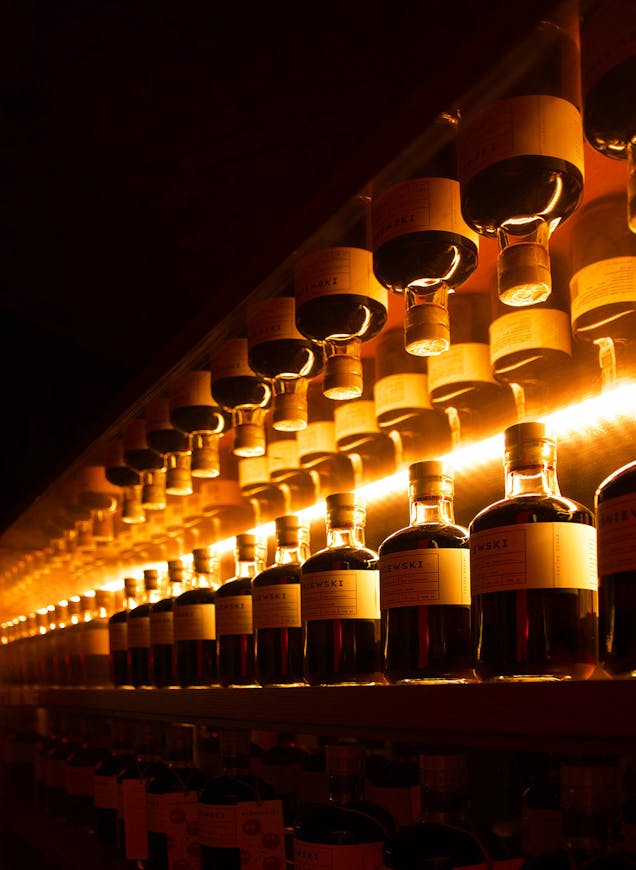
What we could have taken at first as a marketing fad has been demonstrated by neurosciences. They now give us the explanation: the shape of a beautiful bottle, its label, its glass, its touch reinforce the gustatory and emotional experience.
Unconsciously, the consumer projects himself into an epicurean journey. Even before tasting the wine, champagne or spirit, the experience is already positive and offers us the promise of an unforgettable tasting.
In an increasingly competitive market, seducing the consumer by first offering a good container is essential.
Offering an artistic bottle is the promise of a complete sensory experience, where the scents and aromas of the alcohol will remain engraved in the memory of a unique and therefore unforgettable tasting.